
VAT Reverse Charge for Construction: Must-Have Guide for Smart Businesses

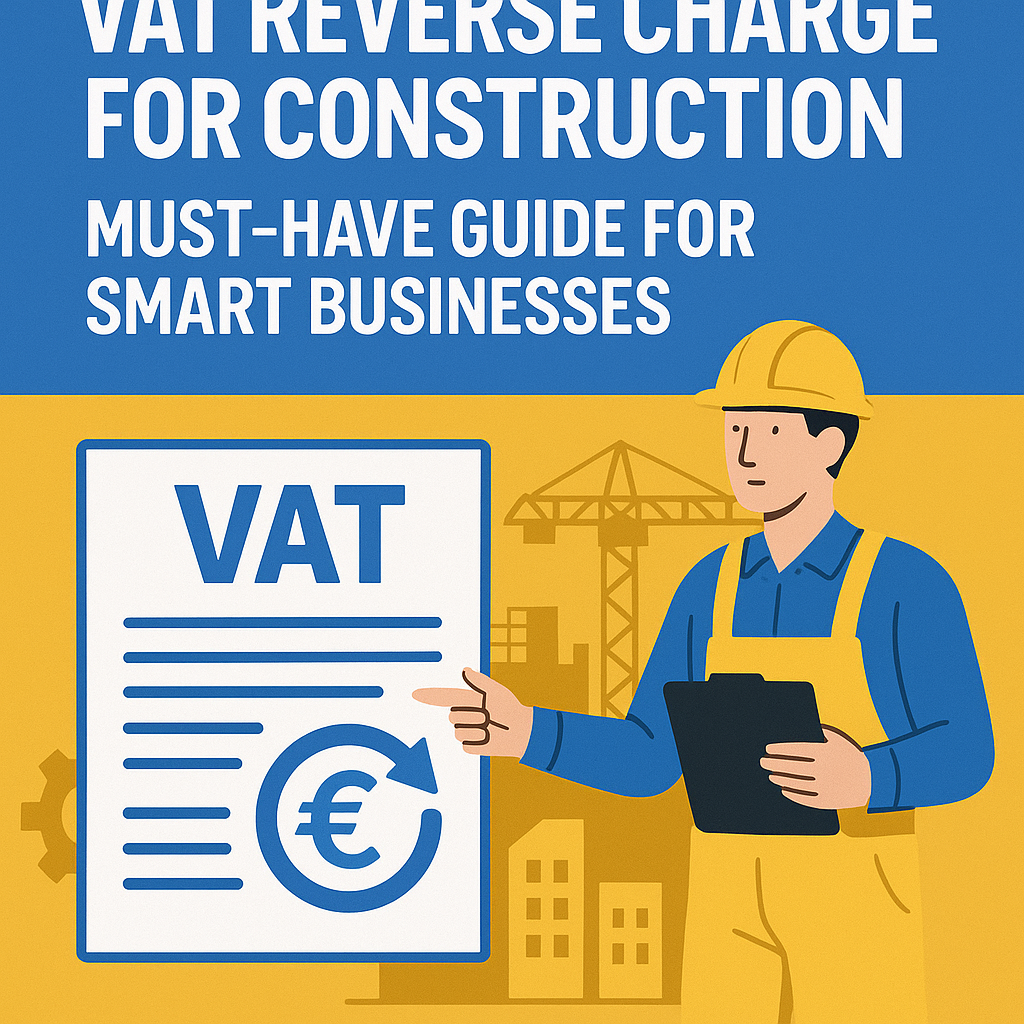
Illustration of VAT Reverse Charge for Construction: Must-Have Guide for Smart Businesses

VAT Reverse Charge for Construction: Must-Have Guide for Smart Businesses

Have you ever found yourself confused when it comes to paying VAT for services in the construction industry? Maybe you’re a builder getting invoices from subcontractors, or perhaps you run a plant hire company. Understanding the VAT reverse charge can feel like decoding a mystery, but it doesn’t have to be that way. Let’s break it down into simple terms.

What is the VAT Reverse Charge?

Illustration of VAT Reverse Charge for Construction: Must-Have Guide for Smart Businesses

The VAT reverse charge is a shift in how VAT is handled in certain construction transactions. Instead of the supplier charging VAT and handing it over to HMRC, the responsibility moves to the buyer. This was introduced to tackle missing trader fraud in the construction sector.

If you’re a contractor hiring subcontractors, you might be affected. For example, if you’re a sole trader plasterer earning £60k a year and you’re subbing work to a registered electrician also on the reverse charge scheme, the plumber paying you won’t see VAT on the invoice. You, as the buyer, then account for it on your VAT Return rather than your electrician doing it. Simple, right?

Who’s Affected by the Reverse Charge?

The reverse charge applies to most construction services, but there are exceptions. If you’re involved in something like general construction, site preparation or demolition work, it’s likely you’ll need to adhere to these rules. Architects, surveyors, and even plant hire businesses need to stay on top of this. If your customer is a VAT-registered contractor, and you’re providing relevant services, expect the reverse charge to come into play.

How Does It Impact Your Cash Flow?

Cash flow is the lifeblood of your business. With the reverse charge, you may notice a difference in your cash flow, especially if you’re used to receiving VAT back. Now, as the buyer, you’ll have to account for VAT on your purchases. While this can mean some adjustments to your accounting practices, it also can help you reduce the risk of tax fraud.

What About the Construction Industry Scheme (CIS)?

The CIS and VAT reverse charge often go hand in hand. If you’re part of the CIS, make sure you’re aware that the reverse charge affects how you handle the deductions. It’s a good idea to consult with your accountant to ensure you’re not missing any vital details.

Example in Practice

Picture this: You’re a construction project manager overseeing a large site. You’ve hired various subcontractors, but one of your electrical contractors is also using the reverse charge. When they invoice you for £1,200, they won’t add VAT on—it’s just £1,200 flat. You report that £1,200, but as the buyer, you now need to record £240 as VAT that you owe to HMRC on your VAT Return.

Action Steps for Your Business

So, what can you do today? First, review your invoicing and accounting systems to ensure they can handle the reverse charge properly. This is important not just for compliance but also for maintaining steady cash flow. If you’re unsure about how to set everything up or how the reverse charge applies to specific jobs, consider seeking professional advice. You want to avoid any nasty surprises from HMRC.

Not sure how this affects you? Book a free 20-minute call with us.

CIS Monthly Returns: Essential Tips for UK Construction Contractors

Illustration of CIS Monthly Returns: Essential Tips for UK Construction Contractors

CIS Monthly Returns: Essential Tips for UK Construction Contractors

Have you ever found yourself scrambling at the end of the month to get your CIS returns sorted? If you’re juggling multiple contracts and dealing with subcontractors, you’re not alone. Staying on top of the Construction Industry Scheme (CIS) can feel like a full-time job in itself.

Understand Your Responsibilities

Illustration of CIS Monthly Returns: Essential Tips for UK Construction Contractors

First things first, knowing your obligations under CIS is crucial. As a contractor, you need to register for the scheme and make monthly returns to HMRC. Simply put, you must report all payments made to your subcontractors, detailing how much tax you’ve deducted.

If you run a plumbing company, for instance, and hired subcontractors in a month, you need to gather all those invoices and calculate the deductions based on their gross payment status—whether they’re registered as gross or net. Failing to submit accurate returns on time can lead to hefty penalties.

Keep Accurate Records

Imagine you’re a builder earning £100k a year. That means juggling various payments to subcontractors. Keep a dedicated log of all transactions, including dates, amounts, and the roles of subcontractors. Good record keeping isn’t just about staying compliant; it also helps you avoid tax issues down the line.

In your monthly records, include:

  • Names and UTR numbers of subcontractors
  • Total amounts paid
  • Deductions made

Utilise Technology

Consider using accounting software specifically designed for construction needs. These tools simplify the process of calculating deductions and preparing your CIS returns. Many platforms allow you to integrate tax calculations, manage invoices, and even analyze your cash flow—all in one place.

Check the VAT Reverse Charge

Are you aware of the VAT reverse charge? This rule means that if you’re a contractor buying services from another contractor, the supplier doesn’t charge you VAT. Instead, you account for it in your VAT return. This adds another layer of complexity but is very relevant for construction businesses. By understanding this, you can make better financial decisions and improves your cash flow.

IR35 Considerations

If you’re subcontracting work through your own limited company, don’t overlook IR35. This legislation can affect how you pay yourself and your tax liabilities. If HMRC deems you to be ‘inside IR35,’ you might end up paying significantly more in tax. Staying informed and possibly consulting a tax expert can save you money in the long run.

Maximise Your Capital Allowances

As a contractor, you’ve likely invested in tools, equipment, and vehicles. Don’t forget to claim your capital allowances. These let you deduct the cost of these items from your profits, reducing your taxable income. Make sure you keep receipts and records ready for when you file your tax return.

Take Action Today

The most straightforward way to ensure you’re compliant is to set up a monthly reminder for your CIS returns and update your records regularly. This saves you from last-minute chaos. Start by listing out your subcontractors this month, check their CIS status, and make notes of any invoices you’ve received.

Not sure how this affects you? Book a free 20-minute call with us.