
Capital Allowances for Plant and Machinery: Essential Guide for Maximum Savings

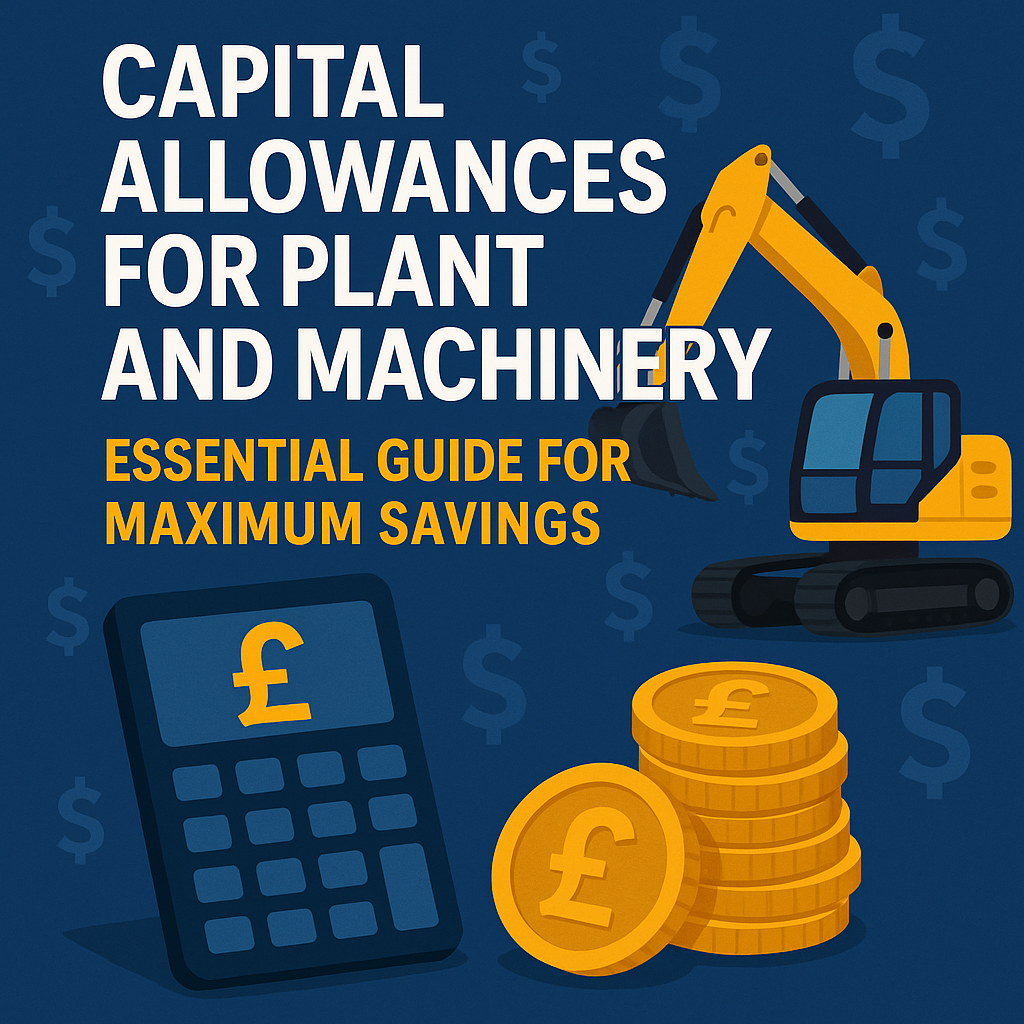
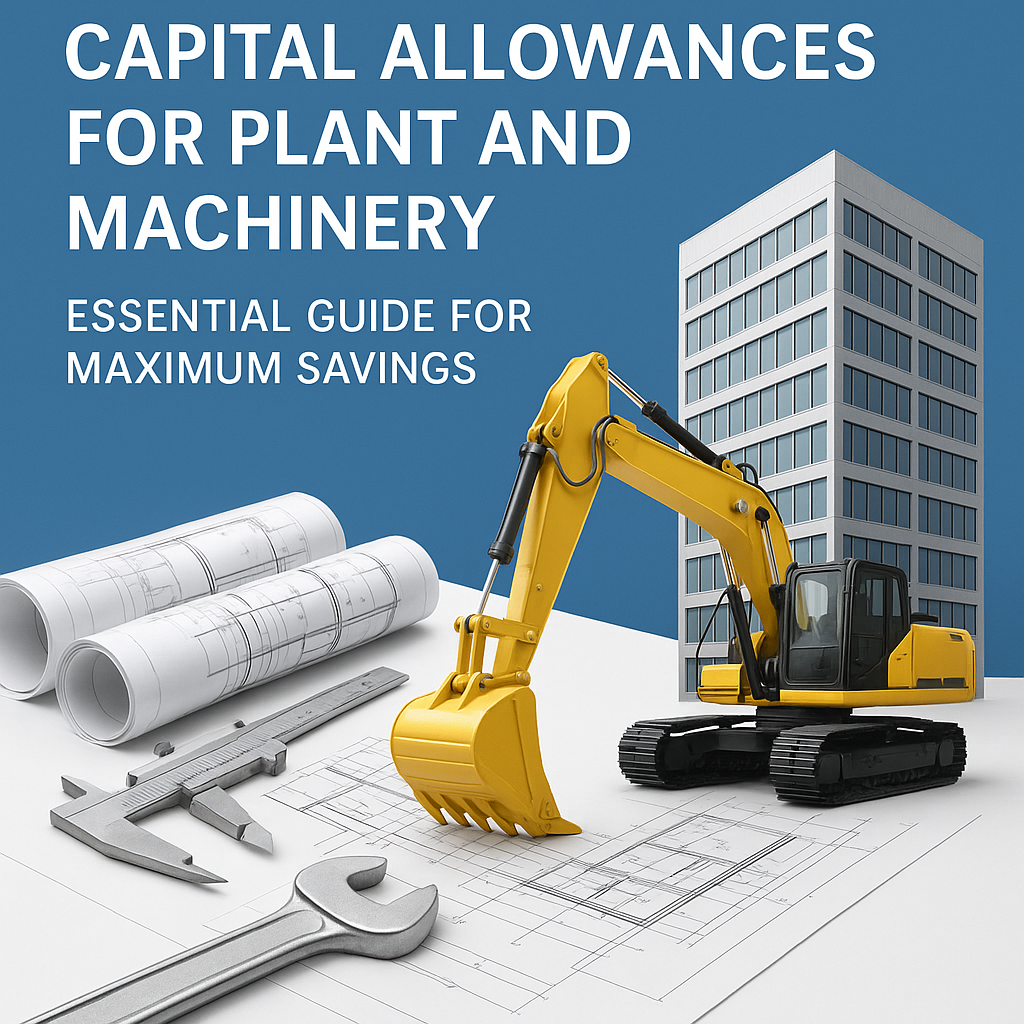
Illustration of Capital Allowances for Plant and Machinery: Essential Guide for Maximum Savings

Capital Allowances for Plant and Machinery: Essential Guide for Maximum Savings

Have you recently invested in new equipment for your construction business? Maybe you just bought a fleet of diggers or high-powered scaffolding. If you did, you might be sitting on hidden savings that could significantly lower your tax bill.

Let’s talk about capital allowances. These are tax reliefs available for businesses that buy, lease, or improve plant and machinery. If you’re not taking advantage of them, you’re possibly missing out on thousands of pounds.

What are Capital Allowances?

Illustration of Capital Allowances for Plant and Machinery: Essential Guide for Maximum Savings

In simple terms, capital allowances let you write off the cost of certain equipment over time. This means you can reduce your taxable profits, thus lowering your tax bill. Sounds good, right? Whether you’re a contractor or a plant hire company, understanding capital allowances can make a real difference to your bottom line.

Who Qualifies?

If you own a construction-related business, you likely qualify. This includes:

  • Contractors and subcontractors
  • Housebuilders and property developers
  • Plant hire companies
  • Specialist tradespeople
  • Even architects and engineers, if they own their equipment

So, if you run a plant hire company and just purchased new equipment worth £100,000, you can potentially claim back thousands in tax relief!

Examples of What Qualifies

When it comes to capital allowances, not all items are created equal. You can claim on:

  • Plant and machinery (like excavators, cranes, or generators)
  • Tools and equipment (hand tools, scaffolding)
  • Vehicles like vans or trucks used for business purposes

For instance, if you’re a sole trader plasterer earning £60k a year and you buy a new plastering machine for £5,000, you can write off a significant portion of that cost against your profits. This can greatly reduce your taxable income, which means more money in your pocket.

Types of Capital Allowances

There are a few different types of capital allowances to be aware of:

  • Annual Investment Allowance (AIA): Claim up to £1 million in one go. Most plant, machinery, and equipment qualify, meaning you could write off the full cost in the same tax year.
  • Writing Down Allowance (WDA): If you exceed the AIA limit, you can still claim 18% or 6% of the remaining balance each year.
  • Special Rate Assets: Some items, like thermal insulation, are eligible for different rates.

Why Bother?

Every penny counts in construction. By maximizing your capital allowances, you reduce taxable profits. This translates to lower corporation tax or income tax bills. Plus, with the current CIS scheme or VAT reverse charge rules, keeping track of expenses and deductions has never been more essential.

Take Action Today

Don’t let valuable savings slip through your fingers. Start by gathering your receipts and documentation for recent purchases. Consider speaking with your accountant to explore your options. The sooner you take action, the sooner you can benefit from your investments.

Not sure how this affects you? Book a free 20-minute call with us.

“`

Cash Flow Management for UK Contractors: Essential Tips for Success

Illustration of Cash Flow Management for UK Contractors: Essential Tips for Success

Cash Flow Management for UK Contractors: Essential Tips for Success

Picture this: you’ve just finished a big job as a roofer, and you’re ready to cash in. But instead of money flowing in, you’re met with delays and unpaid invoices. Sound familiar? Cash flow is often the lifeline of your business, and managing it well can make or break your success.

Understand Your Cash Flow Cycle

Illustration of Cash Flow Management for UK Contractors: Essential Tips for Success

Your cash flow cycle is the journey of money coming in and going out. As a contractor, remember: you might not get paid right after the job is done. Think about it. If you’re a sole trader plasterer earning £60k, your income might not come until you’ve submitted that invoice, followed by a waiting period. If you’re not on top of that cycle, you could find yourself short on funds.

Stay On Top of Invoicing

Your invoicing process can be the key to steady cash flow. Send out invoices as soon as the work is done. Make it clear when payments are due, and don’t shy away from following up. If your client is slow to pay, a friendly nudge can help. For those on the Construction Industry Scheme (CIS), remember to calculate your deductions correctly. You want to ensure you get what you’re owed, minus any tax that may apply.

Embrace Technology

Using software for invoicing and accounting can save you time and mistakes. Look for tools that integrate project management with billing. This way, you can track job costs and expected income all in one place. It makes your life easier, and you’ll have one less thing to worry about.

Plan for the VAT Reverse Charge

Let’s talk about the VAT reverse charge. As a contractor, this can be a game changer for managing your cash flow. It shifts the responsibility for paying VAT from the supplier to the customer. Ensure you’re clear about your pricing to avoid any surprises when the bill comes. If you’re a smaller contractor, this can mean your cash flow stays more stable as you won’t have to handle VAT payments upfront.

Keep an Eye on Expenses

Expenses can creep up quickly in the construction industry. Whether it’s fuel for your van or hiring equipment, keep detailed records. If you run a plant hire company, these costs can add up. By thoroughly understanding your capital allowances and what you can claim, you’ll keep more cash in your pocket. Regular reviews will help you cut unnecessary spending.

Build a Cash Reserve

A cash reserve is like a safety net for your business. Aim to set aside at least three months’ worth of expenses. This reserve keeps you afloat during lean times. If you have an unexpected delay in payment for a big job, you won’t be scrambling to cover costs. This is especially vital if your work involves multiple contracts, as income can significantly fluctuate.

Manage Your Workforce Effectively

Whether you’re hiring subcontractors or full-time staff, managing your labour costs is crucial. Consider ways to optimise your workforce in line with project demands. Recruitment agencies can help when you need extra hands, but be mindful of employment regulations such as IR35. A poorly managed workforce can lead to excess costs and drain your cash flow.

Take Action Today

Not sure how this affects you? Book a free 20-minute call with us.

“`

Corporation Tax Planning: Exclusive Tips for Construction Limited Companies

Illustration of Corporation Tax Planning: Exclusive Tips for Construction Limited Companies

Corporation Tax Planning: Exclusive Tips for Construction Limited Companies

Are you a contractor wondering how to keep more of your hard-earned money? Or maybe you’re a property developer feeling the pinch when tax season rolls around? You’re not alone. Many in the construction sector grapple with corporation tax challenges that can feel overwhelming. But with a bit of planning, you can ease that financial strain.

Understand Your Tax Obligations

Illustration of Corporation Tax Planning: Exclusive Tips for Construction Limited Companies

If you run a plant hire company, for example, your earnings are likely substantial. After paying your staff and covering operating costs, your profit attracts corporation tax. This can creep up on you if you’re not prepared. The current corporation tax rate in the UK is 19%, but that’s set to change, so keeping a close eye on your obligations is crucial.

Make Use of Capital Allowances

Capital allowances are your best friends when it comes to reducing taxable profits. Let’s say you invested in new excavation equipment worth £20,000. You can claim capital allowances on that cost, which means it can significantly reduce your taxable income. The more you invest, the more you can claim back. It’s a simple way to maximise your cash flow.

Pay Attention to CIS Deductions

If you’re a subcontractor working under the Construction Industry Scheme (CIS), you know that your earnings can be subject to deductions. If you’re registered, these deductions can be offset against your corporation tax liability. This means that instead of seeing that money disappear into the tax void, you can claim it back later. Make sure you keep meticulous records of your projects and deductions; they can save you a lot down the line.

Get Familiar with IR35 Regulations

For contractors, you may find yourself brushing against IR35 regulations. If you work through a limited company but are engaged in a manner similar to an employee, you could be drawn into these rules. Ensuring you’re compliant can help you avoid hefty tax bills. Contractual arrangements that are clearly outlined can protect you from unexpected liabilities.

Utilise VAT Reverse Charge

If you are working in the construction sector, the VAT reverse charge might also be on your radar. It’s a method where the responsibility for reporting VAT shifts from the supplier to the buyer. If you’re a builder and you buy materials from a supplier that applies this charge, you don’t pay the VAT upfront. This can help with cash flow management, as you won’t have to front these costs before reclaiming them later.

Plan for Tax Year-End

With financial year-end approaching, make it a habit to reassess your tax planning. Look at your earnings, expenses, and capital purchases. Have you maximised your capital allowances? Have you accounted for any CIS deductions? These checks can ensure you’re not leaving money on the table. For instance, if you’ve spent heavily on tools and equipment, ensuring you claim for all these will help protect your profits.

Stay Ahead with Regular Reviews

Set a reminder to review your financials regularly. Monthly or quarterly checks can help you catch any tax liabilities before they become a burden. Discuss your plans with your accountant so they can provide tailored advice relevant to your situation.

Take Action Today!

Not sure how this affects you? Book a free 20-minute call with us.

This blog post is structured clearly with practical insights tailored specifically for construction-related limited companies, while engaging the reader with a friendly tone.

VAT Reverse Charge for Construction: Must-Have Guide for Smart Businesses

Illustration of VAT Reverse Charge for Construction: Must-Have Guide for Smart Businesses

VAT Reverse Charge for Construction: Must-Have Guide for Smart Businesses

Have you ever found yourself confused when it comes to paying VAT for services in the construction industry? Maybe you’re a builder getting invoices from subcontractors, or perhaps you run a plant hire company. Understanding the VAT reverse charge can feel like decoding a mystery, but it doesn’t have to be that way. Let’s break it down into simple terms.

What is the VAT Reverse Charge?

Illustration of VAT Reverse Charge for Construction: Must-Have Guide for Smart Businesses

The VAT reverse charge is a shift in how VAT is handled in certain construction transactions. Instead of the supplier charging VAT and handing it over to HMRC, the responsibility moves to the buyer. This was introduced to tackle missing trader fraud in the construction sector.

If you’re a contractor hiring subcontractors, you might be affected. For example, if you’re a sole trader plasterer earning £60k a year and you’re subbing work to a registered electrician also on the reverse charge scheme, the plumber paying you won’t see VAT on the invoice. You, as the buyer, then account for it on your VAT Return rather than your electrician doing it. Simple, right?

Who’s Affected by the Reverse Charge?

The reverse charge applies to most construction services, but there are exceptions. If you’re involved in something like general construction, site preparation or demolition work, it’s likely you’ll need to adhere to these rules. Architects, surveyors, and even plant hire businesses need to stay on top of this. If your customer is a VAT-registered contractor, and you’re providing relevant services, expect the reverse charge to come into play.

How Does It Impact Your Cash Flow?

Cash flow is the lifeblood of your business. With the reverse charge, you may notice a difference in your cash flow, especially if you’re used to receiving VAT back. Now, as the buyer, you’ll have to account for VAT on your purchases. While this can mean some adjustments to your accounting practices, it also can help you reduce the risk of tax fraud.

What About the Construction Industry Scheme (CIS)?

The CIS and VAT reverse charge often go hand in hand. If you’re part of the CIS, make sure you’re aware that the reverse charge affects how you handle the deductions. It’s a good idea to consult with your accountant to ensure you’re not missing any vital details.

Example in Practice

Picture this: You’re a construction project manager overseeing a large site. You’ve hired various subcontractors, but one of your electrical contractors is also using the reverse charge. When they invoice you for £1,200, they won’t add VAT on—it’s just £1,200 flat. You report that £1,200, but as the buyer, you now need to record £240 as VAT that you owe to HMRC on your VAT Return.

Action Steps for Your Business

So, what can you do today? First, review your invoicing and accounting systems to ensure they can handle the reverse charge properly. This is important not just for compliance but also for maintaining steady cash flow. If you’re unsure about how to set everything up or how the reverse charge applies to specific jobs, consider seeking professional advice. You want to avoid any nasty surprises from HMRC.

Not sure how this affects you? Book a free 20-minute call with us.

CIS Monthly Returns: Essential Tips for UK Construction Contractors

Illustration of CIS Monthly Returns: Essential Tips for UK Construction Contractors

CIS Monthly Returns: Essential Tips for UK Construction Contractors

Have you ever found yourself scrambling at the end of the month to get your CIS returns sorted? If you’re juggling multiple contracts and dealing with subcontractors, you’re not alone. Staying on top of the Construction Industry Scheme (CIS) can feel like a full-time job in itself.

Understand Your Responsibilities

Illustration of CIS Monthly Returns: Essential Tips for UK Construction Contractors

First things first, knowing your obligations under CIS is crucial. As a contractor, you need to register for the scheme and make monthly returns to HMRC. Simply put, you must report all payments made to your subcontractors, detailing how much tax you’ve deducted.

If you run a plumbing company, for instance, and hired subcontractors in a month, you need to gather all those invoices and calculate the deductions based on their gross payment status—whether they’re registered as gross or net. Failing to submit accurate returns on time can lead to hefty penalties.

Keep Accurate Records

Imagine you’re a builder earning £100k a year. That means juggling various payments to subcontractors. Keep a dedicated log of all transactions, including dates, amounts, and the roles of subcontractors. Good record keeping isn’t just about staying compliant; it also helps you avoid tax issues down the line.

In your monthly records, include:

  • Names and UTR numbers of subcontractors
  • Total amounts paid
  • Deductions made

Utilise Technology

Consider using accounting software specifically designed for construction needs. These tools simplify the process of calculating deductions and preparing your CIS returns. Many platforms allow you to integrate tax calculations, manage invoices, and even analyze your cash flow—all in one place.

Check the VAT Reverse Charge

Are you aware of the VAT reverse charge? This rule means that if you’re a contractor buying services from another contractor, the supplier doesn’t charge you VAT. Instead, you account for it in your VAT return. This adds another layer of complexity but is very relevant for construction businesses. By understanding this, you can make better financial decisions and improves your cash flow.

IR35 Considerations

If you’re subcontracting work through your own limited company, don’t overlook IR35. This legislation can affect how you pay yourself and your tax liabilities. If HMRC deems you to be ‘inside IR35,’ you might end up paying significantly more in tax. Staying informed and possibly consulting a tax expert can save you money in the long run.

Maximise Your Capital Allowances

As a contractor, you’ve likely invested in tools, equipment, and vehicles. Don’t forget to claim your capital allowances. These let you deduct the cost of these items from your profits, reducing your taxable income. Make sure you keep receipts and records ready for when you file your tax return.

Take Action Today

The most straightforward way to ensure you’re compliant is to set up a monthly reminder for your CIS returns and update your records regularly. This saves you from last-minute chaos. Start by listing out your subcontractors this month, check their CIS status, and make notes of any invoices you’ve received.

Not sure how this affects you? Book a free 20-minute call with us.