Self Assessment Tips for Construction Sole Traders: Essential and Effective Guide

Illustration of Self Assessment Tips for Construction Sole Traders: Essential and Effective Guide

Self-Assessment Tips for Construction Sole Traders: Essential and Effective Guide

Ever found yourself staring at a pile of receipts at the end of the financial year, wondering how you’ll make sense of it all? You’re not alone. Many sole traders in construction dread tax season. If you’re a sole trader plasterer earning £60k and handling your accounts solo, it can feel overwhelming. But fear not! Here’s a practical guide to help you breeze through your Self Assessment.

Know Your Deadlines

First things first, understand your deadlines. The tax year runs from April 6 to April 5 of the following year. You need to register for Self Assessment by October 5 of the tax year. And don’t forget to file your tax return by January 31! Late submissions can mean hefty fines.

Keep a Clear Record

Tracking your income and expenses is crucial. Create a simple spreadsheet to document your earnings and related costs, such as materials and labour. If you’re a roofer, for example, you can include payments for tiles, nails, and even scaffolding hire.

Use separate bank accounts for your business and personal finances. It might feel like extra hassle now, but it’ll save you time and confusion come tax time.

Understand CIS

If you’re working on construction projects, you might be registered under the Construction Industry Scheme (CIS). This affects how your income is taxed. Contractors deduct tax from your payments, which means you could have less than expected in your bank account. Make sure to claim that deduction on your Self Assessment.

For example, if you earned £50,000 gross but had £10,000 deducted under CIS, you’ll only be taxed on £40,000. Keeping proper records will help you demonstrate these deductions clearly.

Consider VAT’s Reverse Charge

If your business turnover is over £85,000, you’ll need to register for VAT. But be aware of the VAT reverse charge for construction services; it shifts the VAT liability from the supplier to the customer. If you’re a subcontractor supplying services to a contractor, you won’t charge VAT on your invoice. Your clients will handle the VAT directly. Make sure you know which invoices apply, so you don’t mess up your accounting.

Capital Allowances Are Your Friend

Nothing hits your profits harder than equipment costs. If you’ve invested in tools or machinery, don’t forget about capital allowances! You can deduct a portion of these costs against your taxable income. For instance, if you bought a new van for £20,000, this could significantly reduce your tax bill. Familiarise yourself with what items qualify and keep receipts handy.

Claim Business Expenses

Always claim for business-related expenses. This includes vehicle costs, office supplies, and even your mobile phone bill if you use it for work. Don’t forget about training courses or certifications; they can also be claimed, so keep those invoices in a folder!

Seek Professional Help

Getting overwhelmed? It’s okay to ask for help. A good accountant familiar with the construction industry can save you time and potentially money. They’ll spot opportunities you might missed, like tax reliefs specific to your trade.

Final Reminder

Your Self Assessment isn’t just a chore—it’s a chance to reflect on your business and plan for the future. Spend some time now to set up an efficient system for managing your finances.

Take a moment today to pull together your income and expense records. It’s a small step now that will pay dividends later.

Not sure how this affects you? Book a free 20-minute call with us.

Corporation Tax Planning: Must-Have Strategies for Construction Companies

Illustration of Corporation Tax Planning: Must-Have Strategies for Construction Companies

Corporation Tax Planning: Must-Have Strategies for Construction Companies

Have you ever looked at your year-end accounts and wondered where your hard-earned profits have gone? As a construction company, managing your finances can be as tough as hitting a deadline on a tricky build. But with smart corporation tax planning, you can keep more of your money in your pocket for what really matters—growing your business.

Let’s break down some must-have strategies that anyone from roofers to property developers can use to optimise their tax position.

Understand Your Eligibility for Reliefs

Many construction businesses may not be fully aware of reliefs available to them. For instance, if you’re a sole trader plasterer earning £60k a year, you could be missing out on the potential to claim capital allowances. This allows you to offset the cost of equipment and materials against your taxable profits. It’s like giving yourself a tax break just for running your business efficiently.

If you’re a housebuilder with new developments, the costs you incur during construction can often be capitalised. This means you can benefit from possible reliefs when those costs are added to the property’s value, rather than deducting them from your profits immediately.

Keep Track of CIS Deductions

If you’re working under the Construction Industry Scheme (CIS), make sure you keep detailed records of your deductions. As a contractor, you might receive invoices from subcontractors with CIS deductions already taken off. These deductions can come back to benefit you come tax time as they’re offset against your overall tax liability. Keep your paperwork straight—we’ve all heard tales of rates that get forgotten until it’s too late!

Embrace the VAT Reverse Charge

For many in the construction sector, understanding the VAT reverse charge is critical. Essentially, this means that for certain services, the responsibility for paying VAT shifts from the supplier to the customer. If you’re a subcontractor and receive a reverse charge invoice, be sure to adjust your accounts accordingly. If you miss these adjustments, you could find yourself paying VAT you don’t actually owe.

Consider Your Business Structure

The structure of your business can greatly affect your tax liability. Are you a limited company, a partnership, or perhaps a sole trader? Each structure has its own tax implications. For example, despite the common belief that limited companies face more paperwork, they often have advantages when it comes to tax planning. If you’re running a successful plant hire company, for example, switching to a limited company can lower your tax rate—especially if you’re paying yourself through dividends rather than salary.

Be Mindful of IR35

If you’re working as a contractor through a limited company, don’t overlook IR35 rules. These rules could impact how much tax you owe if the HMRC deems you to be an employee for tax purposes. Regularly review your contracts and working practices to ensure compliance. If you think IR35 could affect you, speak to a professional who understands the ins and outs of construction contracting.

Making Use of Losses

Sometimes, projects don’t go to plan, and your business might end up with trading losses. Don’t despair. You can carry these losses forward to offset future profits or even back to reclaim tax from previous profitable years. Keep a close eye on your cash flow and always consult with your accountant on how best to handle your losses.

Take Action Today

Corporation tax planning isn’t a one-off task; it’s an ongoing process. Start by setting aside time each quarter to review your financial position, making adjustments where necessary. You could save a significant sum just by staying organised and being proactive.

Not sure how this affects you? Book a free 20-minute call with us. Your future self will thank you for it!

Illustration of Corporation Tax Planning: Must-Have Strategies for Construction Companies

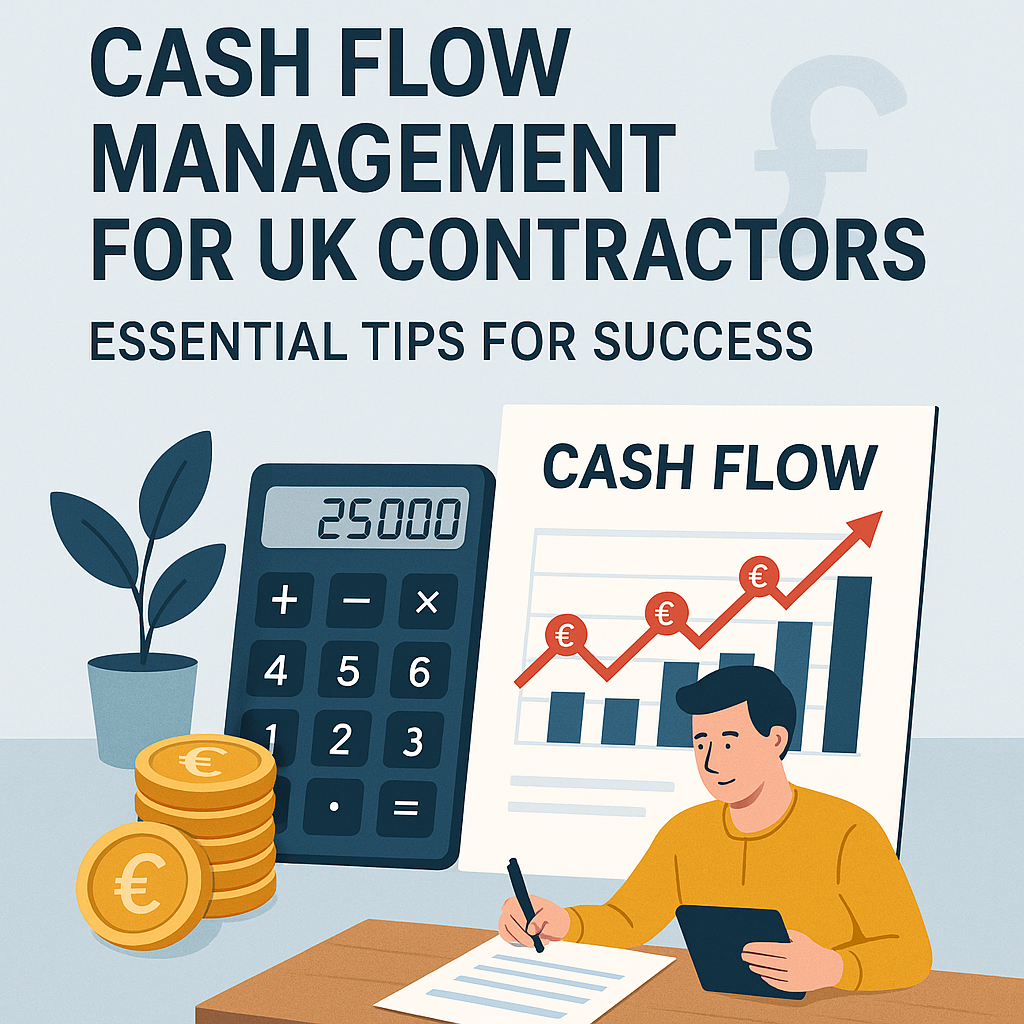
Cash Flow Management for UK Contractors: Essential Tips for Success

Illustration of Cash Flow Management for UK Contractors: Essential Tips for Success

Cash Flow Management for UK Contractors: Essential Tips for Success

Picture this: you’ve just finished a big job as a roofer, and you’re ready to cash in. But instead of money flowing in, you’re met with delays and unpaid invoices. Sound familiar? Cash flow is often the lifeline of your business, and managing it well can make or break your success.

Understand Your Cash Flow Cycle

Illustration of Cash Flow Management for UK Contractors: Essential Tips for Success

Your cash flow cycle is the journey of money coming in and going out. As a contractor, remember: you might not get paid right after the job is done. Think about it. If you’re a sole trader plasterer earning £60k, your income might not come until you’ve submitted that invoice, followed by a waiting period. If you’re not on top of that cycle, you could find yourself short on funds.

Stay On Top of Invoicing

Your invoicing process can be the key to steady cash flow. Send out invoices as soon as the work is done. Make it clear when payments are due, and don’t shy away from following up. If your client is slow to pay, a friendly nudge can help. For those on the Construction Industry Scheme (CIS), remember to calculate your deductions correctly. You want to ensure you get what you’re owed, minus any tax that may apply.

Embrace Technology

Using software for invoicing and accounting can save you time and mistakes. Look for tools that integrate project management with billing. This way, you can track job costs and expected income all in one place. It makes your life easier, and you’ll have one less thing to worry about.

Plan for the VAT Reverse Charge

Let’s talk about the VAT reverse charge. As a contractor, this can be a game changer for managing your cash flow. It shifts the responsibility for paying VAT from the supplier to the customer. Ensure you’re clear about your pricing to avoid any surprises when the bill comes. If you’re a smaller contractor, this can mean your cash flow stays more stable as you won’t have to handle VAT payments upfront.

Keep an Eye on Expenses

Expenses can creep up quickly in the construction industry. Whether it’s fuel for your van or hiring equipment, keep detailed records. If you run a plant hire company, these costs can add up. By thoroughly understanding your capital allowances and what you can claim, you’ll keep more cash in your pocket. Regular reviews will help you cut unnecessary spending.

Build a Cash Reserve

A cash reserve is like a safety net for your business. Aim to set aside at least three months’ worth of expenses. This reserve keeps you afloat during lean times. If you have an unexpected delay in payment for a big job, you won’t be scrambling to cover costs. This is especially vital if your work involves multiple contracts, as income can significantly fluctuate.

Manage Your Workforce Effectively

Whether you’re hiring subcontractors or full-time staff, managing your labour costs is crucial. Consider ways to optimise your workforce in line with project demands. Recruitment agencies can help when you need extra hands, but be mindful of employment regulations such as IR35. A poorly managed workforce can lead to excess costs and drain your cash flow.

Take Action Today

Not sure how this affects you? Book a free 20-minute call with us.

“`